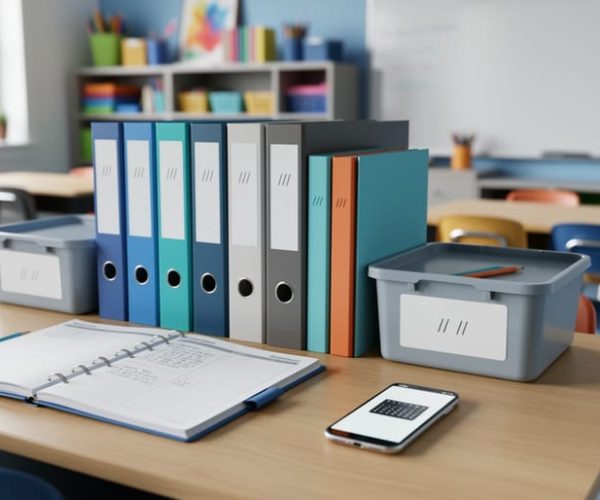
Effective classroom organization transforms a hectic teaching day into manageable, predictable routines that free you to focus on student learning. Teachers new to Canadian schools need twelve core systems: material storage and labelling, digital file hierarchies, communication trackers, lesson-planning templates, assessment workflows, supply inventories, parent-contact logs, time-blocking calendars, substitute-teacher binders, professional development portfolios, student-work archives, and morning prep checklists. These strategies aren’t theoretical. They’re the daily scaffolding that experienced K, 12 educators across Canada …
How to Use TK Learning Games in Your K–12 Classroom (2026 Guide)
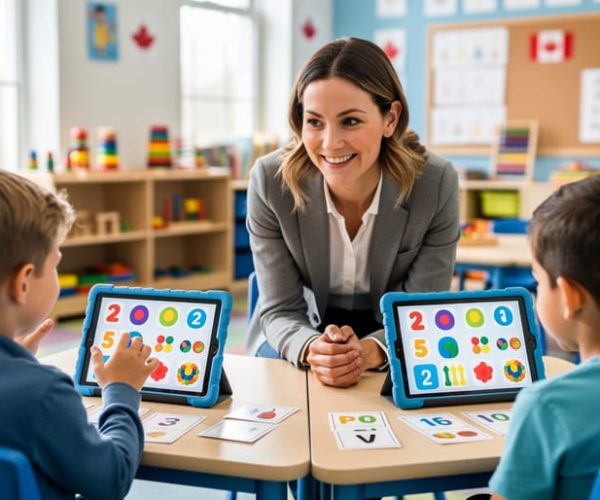
TK learning games help four- and five-year-olds build early literacy, numeracy, and social skills through structured play that you can integrate into daily routines in about 15 to 20 minutes per session. Transitional Kindergarten (often called TK in British Columbia and increasingly recognized in other provinces as a bridge year before full-day Kindergarten) serves children who turn five between January and December of the school year, and choosing the right game-based learning tools for this age group means balancing developmental…
What Is Game-Based Learning? (and How It Works in K–12 Classrooms)
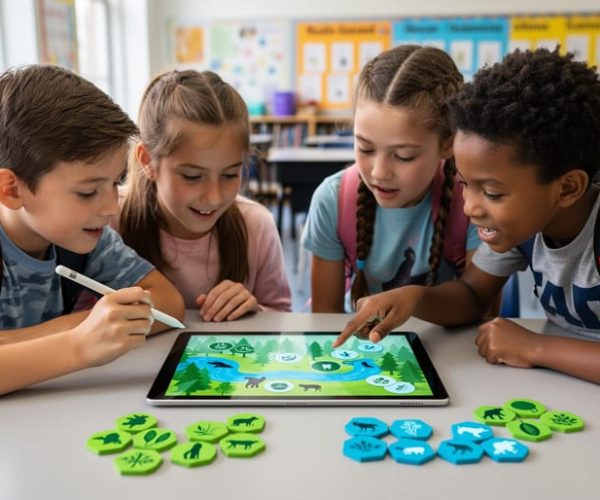
Game-based learning (GBL) is an instructional approach that uses games to teach curriculum content and skills, either through purpose-built educational games or by integrating game elements like points, levels, and challenges into classroom activities. When your child’s teacher in Toronto announces a math unit taught through Minecraft, or a Vancouver school mentions students earning badges for reading milestones, that’s game-based learning in action.
Canadian K-12 schools increasingly use GBL because research shows it boosts student engagement, helps learners practice problem-solving in low-risk environments, and …
How Your Family’s Income Affects OSAP Funding (And What You Need to Know)
OSAP (the Ontario Student Assistance Program) assesses your family’s or your own gross annual income to determine how much aid you qualify for and whether it comes as grants (money you don’t repay) or loans. For most dependent students under 18 or those relying on parents financially, OSAP counts parental income alongside your own earnings. Independent students over a certain age or who’ve been in the workforce report only their personal income and, if applicable, their spouse’s. The calculation isn’t a simple cutoff: higher family income generally reduces grant amounts and increases the loan portion, but OSAP…