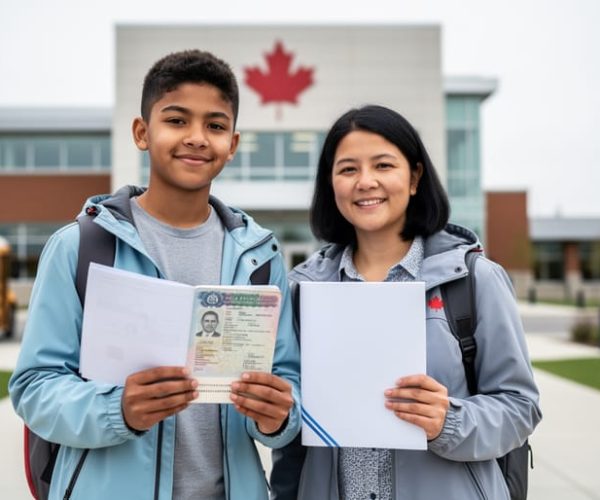
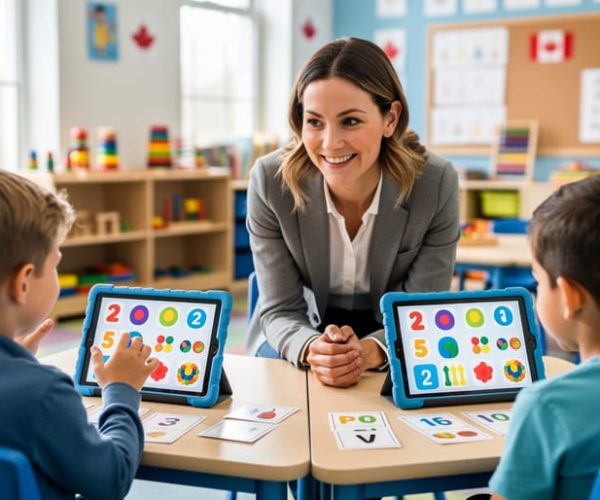
Game-based learning (GBL) is an instructional approach that uses games to teach curriculum content and skills, either through purpose-built educational games or by integrating game elements like points, levels, and challenges into classroom activities. When your child’s teacher in Toronto announces a math unit taught through Minecraft, or a Vancouver school mentions students earning badges for reading milestones, that’s game-based learning in action.
Canadian K-12 schools increasingly use GBL because research shows it boosts student engagement, helps learners practice problem-solving in low-risk environments, and …
How Your Family’s Income Affects OSAP Funding (And What You Need to Know)
OSAP (the Ontario Student Assistance Program) assesses your family’s or your own gross annual income to determine how much aid you qualify for and whether it comes as grants (money you don’t repay) or loans. For most dependent students under 18 or those relying on parents financially, OSAP counts parental income alongside your own earnings. Independent students over a certain age or who’ve been in the workforce report only their personal income and, if applicable, their spouse’s. The calculation isn’t a simple cutoff: higher family income generally reduces grant amounts and increases the loan portion, but OSAP…
Pre-K Learning Games That Actually Prepare Children for Canadian Classrooms
Choose games that match your child’s developmental stage and align with Canadian early learning expectations. In Canada, pre-kindergarten (pre-K) programs prepare children aged 3–5 for formal schooling through play-based activities that build literacy, numeracy, social-emotional skills, and problem-solving abilities—all foundational elements of the K-12 curriculum. The right learning games make this preparation engaging and effective.
Look for games that target multiple skill areas simultaneously. A simple matching game, for example, …