
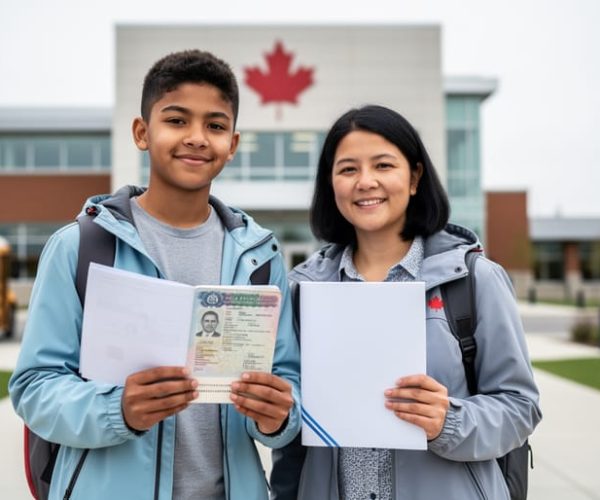
Becoming a foreign exchange student in Canada means securing a study permit, enrolling in a provincial school board or private school, and arranging accommodation and health insurance before you arrive. The process typically begins 6 to 12 months before your intended start date and involves choosing a destination province, obtaining a letter of acceptance from a designated learning institution (DLI), applying for your study permit through Immigration, Refugees and Citizenship Canada (IRCC), and meeting all health, safety, and financial requirements. While each Canadian province manages its own …
Teacher Shortage in Canada News Update: What Changed and What to Watch in 2026
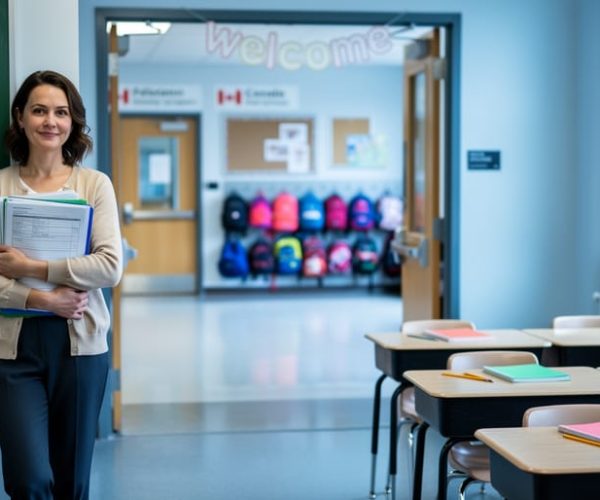
Yes, Canada is experiencing a significant teacher shortage in 2026, with schools across the country struggling to fill classrooms with fully certified educators. This shortage translates into real job opportunities for internationally trained teachers, but navigating provincial certification requirements remains the main hurdle between credentials earned abroad and employment in a Canadian K, 12 school.
The shortage has reached what education officials describe as a crisis point. While exact national vacancy figures for Canada are not published centrally, the pattern mirrors trends across North America: unfilled positions, increased…

12 Strategies for Teaching with Better Organization in Canadian K–12 Classrooms
Effective classroom organization transforms a hectic teaching day into manageable, predictable routines that free you to focus on student learning. Teachers new to Canadian schools need twelve core systems: material storage and labelling, digital file hierarchies, communication trackers, lesson-planning templates, assessment workflows, supply inventories, parent-contact logs, time-blocking calendars, substitute-teacher binders, professional development portfolios, student-work archives, and morning prep checklists. These strategies aren’t theoretical. They’re the daily scaffolding that experienced K, 12 educators across Canada …

Tuition Tax Credit in Canada: Who Qualifies, How Much You Can Claim, and How to File
If you’re a post-secondary student in Canada, the tuition tax credit reduces the federal tax you owe by 15% of your eligible tuition fees. You can claim this non-refundable credit if you’re 16 or older and enrolled at a certified Canadian post-secondary institution, whether you’re studying full-time or part-time. Only fees over $100 qualify, and you calculate the credit using Schedule 11 when you file your tax return. If you don’t owe tax this year, you can carry forward unused amounts to future years or transfer up to $5,000 to a spouse, parent, or grandparent.
International students and recent graduates …

How to Use TK Learning Games in Your K–12 Classroom (2026 Guide)
TK learning games help four- and five-year-olds build early literacy, numeracy, and social skills through structured play that you can integrate into daily routines in about 15 to 20 minutes per session. Transitional Kindergarten (often called TK in British Columbia and increasingly recognized in other provinces as a bridge year before full-day Kindergarten) serves children who turn five between January and December of the school year, and choosing the right game-based learning tools for this age group means balancing developmental…